

7 min read
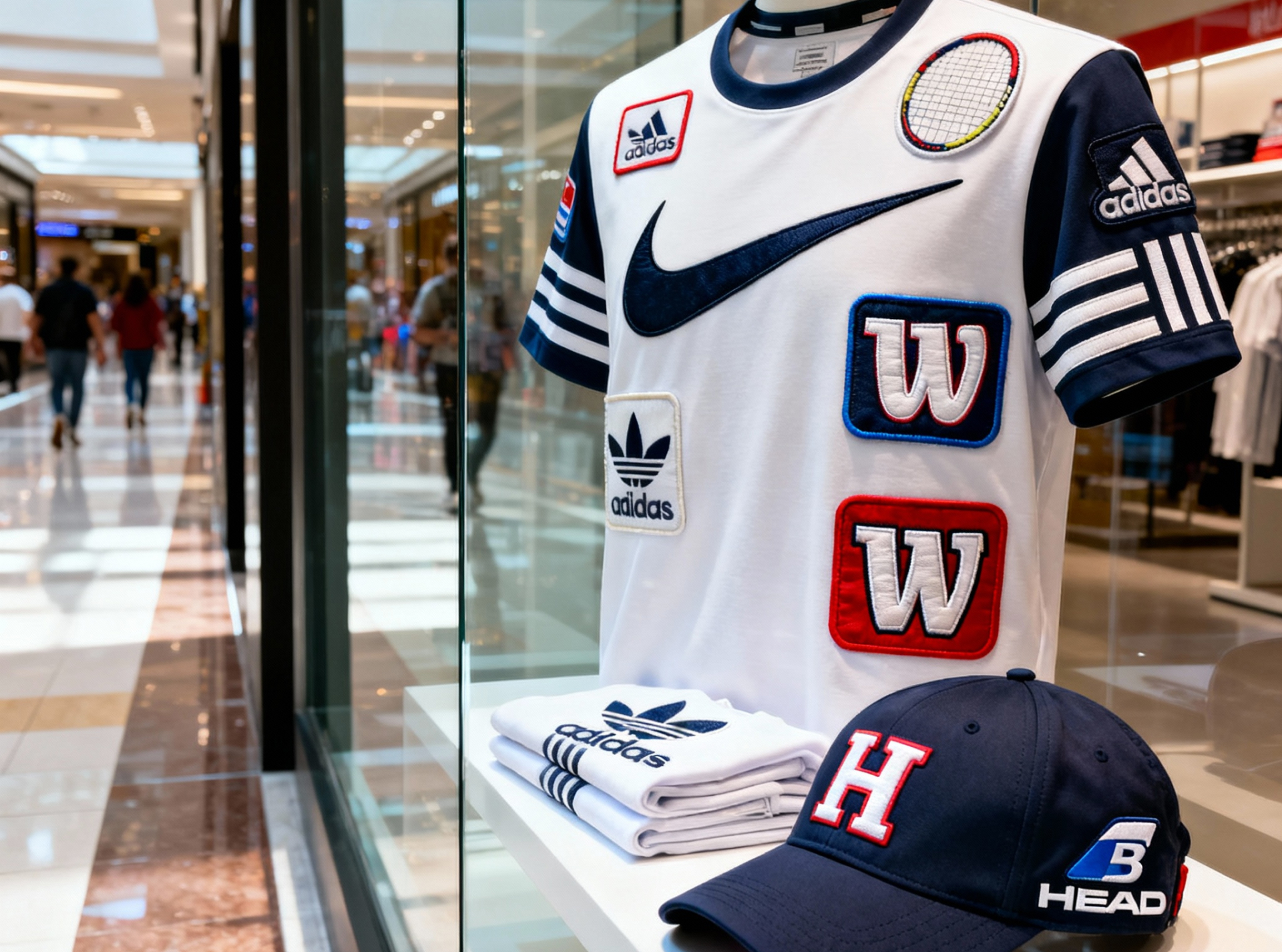
Tennis is not only a game of passion and precision; it is a global business ecosystem. With more than one billion fans worldwide, tennis ranks among the top four most-watched sports on the planet, behind only football, basketball, and cricket. From athlete sponsorships and billion-dollar apparel markets to luxury brand partnerships and tournament tourism, the business of tennis has become a case study in how sports create global impact.
This article explores the size of the tennis economy, the power of athlete endorsements, how brands leverage tournaments, and why the business of tennis is poised for even greater growth in the coming decade.
The Size of the Tennis Economy in 2025
According to the International Tennis Federation (ITF), global participation in tennis has grown to 87 million players worldwide. This growth fuels an expanding business ecosystem that includes apparel, equipment, tournaments, media rights, and sponsorships.
- Tennis Equipment & Apparel Market: Estimated at $8.2 billion in 2024 (Statista), with major players such as Nike, Adidas, Wilson, Yonex, and Head leading the way.
- Prize Money: In 2024, combined ATP and WTA prize pools exceeded $500 million, an all-time high.
- Global Sponsorship Market: Tennis sponsorship spending is projected to surpass $1.6 billion annually by 2025, with luxury brands dominating the space.
Tennis is unique compared to team sports. While clubs dominate football and basketball economics, tennis thrives on individual athlete-brand partnerships, which outpace by the huge margine for the top 10 athletes’ tournament earnings.
Athlete Endorsements: From Federer to Alcaraz
In today’s global sports economy, tennis players have become far more than competitors — they are powerful personal brands driving billions in marketing value. Each swing, interview, and social post carries commercial influence that rivals Hollywood and fashion icons. Unlike team sports, tennis offers individual exposure on a global stage, allowing players to fully own their image, narrative, and sponsorship strategy. This unique independence has turned the sport into a playground for luxury brands, lifestyle companies, and tech innovators seeking authentic, high-performance ambassadors. From apparel and equipment to wellness, travel, and finance, endorsements in tennis have evolved into multi-dimensional brand ecosystems, where athletes act not only as faces of campaigns but as co-creators shaping how the world experiences sport and aspiration.
- Roger Federer: Even after retiring, Federer earns more than $90 million annually, largely from endorsements. His $300 million Uniqlo deal (2018) remains one of the richest athlete apparel contracts in history. His co-ownership of the Laver Cup also shows how players are expanding into entrepreneurship.
- Novak Djokovic: In 2025, he became a shareholder and global Health & Wellness Ambassador for Joe & The Juice, aligning his disciplined lifestyle with a brand built on wellness culture. Earlier, his multi-year partnerships with Qatar Airways and Aman Resorts cemented his image as a global symbol of longevity and balance, blending elite sport with luxury travel and holistic living.
- Serena Williams: Beyond her $40 million Nike deal, she built a business empire through venture capital firm Serena Ventures, investing in over 70 companies.
- Naomi Osaka: Forbes named her the highest-paid female athlete in 2023, earning $50 million+, mostly from endorsements. Sponsors such as Nike, Yonex, Louis Vuitton, and Mastercard leverage her influence in both sports and culture.
- Janik Sinner: His $158 million Nike deal—one of the most lucrative in tennis—anchors a growing ecosystem of luxury collaborations, including Gucci, Rolex, and Alfa Romeo. In 2025, Sinner added Explora Journeys, a high-end cruise brand, to his roster.
- Carlos Alcaraz: The 21-year-old Spaniard already represents Nike, Rolex, and Babolat. His youthful energy positions him as the successor to the Federer-Nadal-Djokovic era for brands.
“Analysts project the tennis sponsorship market could surpass $2 billion annually by 2030.”
Market Outlook
The ROI of Tennis Sponsorships
Recent data show that tennis sponsorships are delivering increasing visibility and return. For example, Wimbledon 2025
saw the men’s final between Sinner and Alcaraz average 2.9 million U.S. viewers a 31% increase over the previous
year with viewership peaking at around 4 million. On the digital front, the BBC recorded 69.3 million digital video
views for Wimbledon 2024, up ~15% from 2023.
Grand Slams continue to be brand magnets too: the French Open 2025 generated
nearly US$74 million in sponsorship revenue across 22 brands, with its top sponsor alone contributing almost US$20 million
annually. Meanwhile, the ATP Tour’s sponsorship revenue grew by 50% in 2024 compared to 2023, with projections nearing +89%
over the following two years. All this in a climate where brands are learning that short-term measurement often misses about
47% of sales impact, and that errors in estimating ROI can run up to 68% if models or data are weak.
For brands willing to
invest in long-term, high-visibility partnerships and measure them well, tennis is proving to deliver robust return on investment.
Social Media & Digital Influence
In the digital age, players are brands in their own right.
- Rafael Nadal: 20M+ Instagram followers.
- Novak Djokovic: 13M+.
- Roger Federer: 13M+ despite retirement.
- Carlos Alcaraz: Surpassed 5M+ in 2024, one of the fastest-growing profiles.
Tournaments as Global Platforms
Tournaments are not only sports events — they are business festivals.
- Wimbledon 2024: Prize pool of nearly $60 million, with partnerships from Rolex, IBM, and HSBC.
- US Open 2023: Broke attendance records with 957,000 fans over three weeks, generating hundreds of millions in New York’s tourism economy.
- Roland Garros: Contributes over €2.5 billion annually to the French economy (French Ministry of Sport).
- Laver Cup: Federer’s co-founded event showcases innovation. With sponsors like Mercedes and Credit Suisse, it blends sport and entertainment.
Regional Growth: Asia, Middle East & Beyond
Tennis is expanding rapidly beyond its traditional hubs.
- China: After Li Na’s Grand Slam wins, China became one of the biggest growth markets for tennis equipment. WTA is increasing its event footprint there again.
- Middle East: Qatar and UAE have hosted ATP/WTA events for decades. Saudi Arabia entered tennis in 2024 with plans to invest over $1 billion in the sport.
- India: With rising ITF and ATP events, India is a target for brands looking to tap into a huge youth demographic.
Conclusion: Why Tennis is a Brand Powerhouse
Tennis combines global reach, iconic athletes, luxury appeal, and cross-generational fan bases. It is a sport where a single player can embody the values of precision, excellence, and elegance that brands seek.
- For Brands: Tennis provides unique access to global consumers with high purchasing power.
- For Athletes: Sponsorships can create generational wealth and extend influence beyond sport.
- For Investors: With rising markets in Asia and the Middle East, tennis offers an underleveraged opportunity for long-term ROI.
The business of tennis is booming. Whether you are a parent investing in a junior, a brand looking for visibility, or an investor searching for high-value opportunities — tennis is where sport meets global impact.
Tagged with: