

7 min read
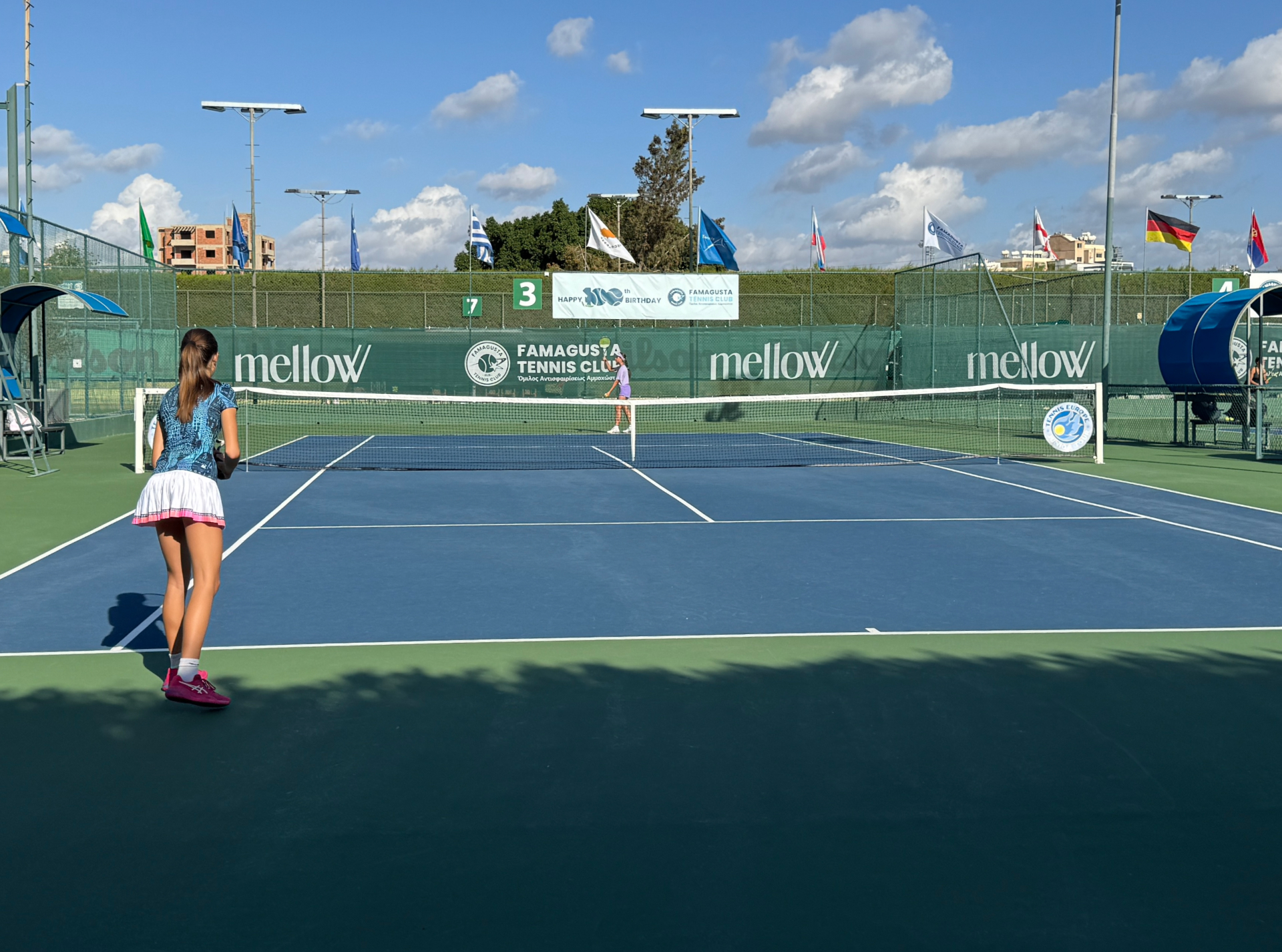
Eastern Europe — encompassing countries like Serbia, Poland, Belarus, Russia, Czechia, Croatia, Ukraine, Romania, and others, has in recent decades become a disproportionately powerful force in world tennis. From multiple Grand Slam singles champions to top-10 stalwarts, the region has produced athletes competing at the highest levels. But what drives this phenomenon? Is it culture, coaching, systems, or something else?
Over the past 10-20 years, a mix of deliberate investment, structured development, cultural emphasis, and role models has yielded results. In this article, we unpack the data, history, and contributing factors behind Eastern Europe’s dominance in tennis, and why this region is likely to keep producing world-class champions.
1. A Surge of Champions: Numbers and Trends
To understand the scale, it helps to look at who has come from Eastern Europe and how frequently.
- Grand Slam #1s from the region: Since Martina Navratilova (born in former Czechoslovakia) and more recently players like Maria Sharapova (Russia), Ana Ivanovic (Srbija), Victoria Azarenka (Belarus), Iga Świątek (Poland), and Aryna Sabalenka (Belarus) have each sat at World No. 1. Eastern Europe has contributed a large share of female #1 singles in the WTA since the early 2000s.
- WTA Top-10 representation: Over many years, a high percentage (often ~40–50%) of WTA top-10 players originate from Eastern or Central/Eastern Europe. For example, in the era around Sharapova’s rise (mid-2000s onward), 9 out of 12 new WTA #1 players were from Eastern Europe or of Eastern European descent.
- Notable male players: Novak Djokovic (Serbia), Andrey Rublev (Russia), Marin Čilić (Croatia), Stan Wawrinka (Switzerland but trained in Eastern European-style systems), Dominic Thiem (Austria, which straddles Central/Eastern Europe), etc., illustrate that Eastern Europe is also strong on the men’s side.
These numbers suggest not just isolated successes, but a sustained pattern. The last 20 Grand Slams have featured multiple champions from Eastern Europe, not just finalists, defeating historic dominance by other regions. (Exact counts fluctuate depending on period, but the trend is clear.)
2. Cultural and Historical Foundations
Several historical and cultural factors give Eastern Europe fertile ground for producing tennis talent:
- Strong tradition in racquet sports and athletics: Regions of former Yugoslavia, Soviet Union, and Eastern Bloc have long emphasized discipline, physical fitness, and technical sports, even during political/economic hardship. This imbues a culture of resilience in athletes.
- Role models and influence: Champions like Andre Agassi trained by Eastern European coaches; Goran Ivanišević, Monica Seles, Anna Kournikova, Jelena Janković, Maria Sharapova, Novak Djokovic—all provide examples that young talent can see, aspire to, and emulate.
- Popular access to outdoor courts and clay surfaces: Many Eastern European countries have clay courts and local or regional tournaments from a young age, which help build physical endurance, point construction, and adaptability.
3. Infrastructure & Coaching: Investment and Systems
The rise in champions isn’t just cultural—it’s also institutional.
- Academies and clubs: For example, Croatia’s Ljubičić Tennis Academy, Serbia’s many academies (like the Dejan Vranes Academy), and similar organizations in Russia, Czechia, Belarus, etc. These academies provide full-time, high-level coaching, exposure to tournaments, and often boarding facilities.
- National federations and government support: Many Eastern European countries have recognized tennis as a strategic sport for national pride, investing in courts, junior tournaments, coaching education, and subsidies. For example, Kazakhstan’s tennis system (while sometimes considered Central Asia) has adopted a model combining public funds + private initiative to very explicitly build juniors.
- ITF / Tennis Europe programs: Junior development events, “Development” or “Tier” tournaments help young players get match experience early. Eastern European juniors often perform very well in these ITF/Tennis Europe circuits. For example, in the 2025 ITF / Tennis Europe Development Championships, players from Bosnia & Herzegovina and North Macedonia won titles in 14&U categories.
4. Economic & Demographic Advantages
These often underappreciated aspects help explain why Eastern Europe keeps producing stars:
- Population size & youth base: Several Eastern European countries have large youth populations, particularly in rural or smaller cities, where cost of living is lower. This means talent is more likely to arise in places where competition is intense and resources are relatively lean.
- Lower costs, high coaching value: Compared to Western Europe or North America, the cost of training, coaching, travel, and living in many Eastern European countries is lower, allowing aspiring athletes to sustain early-career development more affordably.
- Emigration of coaching knowledge: Many former Soviet-bloc coaches or East European coaches have moved or travel to coach internationally, bringing home methods, exchanging best practices, and raising standards locally.
5. Recent Data Supporting Acceleration (2015-2025)
Looking at roughly the last decade, the following data shows how Eastern Europe has not just kept pace, but in many cases outpaced others.
- Turkey’s growth example: In Europe, Turkey has seen a ~443% increase in tennis participation over five years (ending 2024). While Turkey straddles East/West definitions, this shows how regions close to Eastern Europe are booming in tennis infrastructure and players. This contributes to regional competition and better match experience for Eastern European players.
- Kazakhstan’s junior development: As of 2024, Kazakhstan had six players in the ITF junior Top 100, three in the Top 50. Moreover, 13 juniors under 14 from Kazakhstan ranked among Tennis Europe Top 100. This strong junior performance is supporting the pipeline.
- Slovakia / Trnava’s Empire Tennis Academy: This academy in Trnava serves as an example of regional clubs producing internationally competitive players. Notable names (like Elina Svitolina) have trained in or been associated with such institutions.
6. Challenges & How The Region Overcame Them
It hasn’t been easy, Eastern Europe has had to surmount challenges, and understanding these helps explain its success.
- Economic transitions: After the fall of Soviet and Yugoslav systems, many countries faced economic hardship. Yet, many redirected efforts into sports federations, often supported by private donors or diaspora.
- Infrastructure gaps: In some countries, lack of indoor facilities, limited year-round courts, or harsh winters make training difficult. Over time, many countries remedied this with indoor courts, more clay courts (which require less maintenance in certain climates), and scholarship programs.
- Talent drain / emigration: Some promising juniors moved abroad for better training. But increasingly, Eastern European academies improve to reduce the need for early emigration, which helps keep the talent rooted near competition and national identity.
7. Case Studies: Champions and Stories
Putting faces to the facts helps. Here are some examples:
- Novak Djokovic (Serbia): Perhaps the most successful Eastern European male champion. His consistency in Grand Slams, ability to win on all surfaces, and mental resilience trace back to early training in Serbia’s tennis culture.
- Aryna Sabalenka & Victoria Azarenka (Belarus): Both have achieved Grand Slam success, with Azarenka reaching world #1, winning the Australian Open. Their path shows that even smaller countries with strong federation support and good coaching can produce top-tier talent.
- Iga Świątek (Poland): Winner of multiple Roland Garros titles; she benefited from Poland’s increased investment in junior tennis, coaching, and exposure to European tournaments.
- Andrey Rublev (Russia): A consistent top-10 or contender in Masters 1000 events, showcasing depth of Eastern European men’s tennis.
8. Why Eastern Europe Likely to Continue Dominance: Trends & Futures
Given the data over 10-20 years, several trends indicate that Eastern Europe’s success in producing world-class tennis players isn’t slowing down:
- Increased Junior Tournament Exposure: More Czechia, Poland, Serbia, Belarus, Ukraine juniors are participating in international junior tournaments, ITF/Tennis Europe circuits, giving early exposure.
- Better Coaching & Analytics: More academies are employing sports science, video analysis, psychological coaching — bringing standards closer to top Western European/North American academies.
- Scholarships & Funding Innovations: Countries and private entities are more frequently offering funding to promising juniors (travel grants, training support), reducing dropout rates.
- Global Brand Appeal: Eastern European champions are often seen as authentic, gritty, resilient — qualities that brands find compelling. This amplifies endorsement income, enabling players to invest more back into training and development.
9. What Other Regions Can Learn & Implications
The Eastern European model offers lessons for other emerging tennis regions:
- Start young, with structured junior tournaments and exposure.
- Build or support affordable, high-quality academy setups.
- Cultivate role models; the presence of local champions helps drive participation and investment.
- Combine public funding with private support to ensure sustainability.
Conclusion
Over the last 10-20 years, Eastern Europe has moved from being a contributor of occasional tennis stars to being a dominant engine in global tennis. Cultural passion, emphasis on junior development, rising infrastructure, and consistent coaching standards have produced not just champions, but deep pools of competitive players.
For parents, players, coaches, brands, and investors, Eastern Europe remains one of the most fertile grounds in the world for identifying, nurturing, and investing in tennis talent. Its track record isn’t luck, it’s evidence of a system that works.
Tagged with: