

7 min read
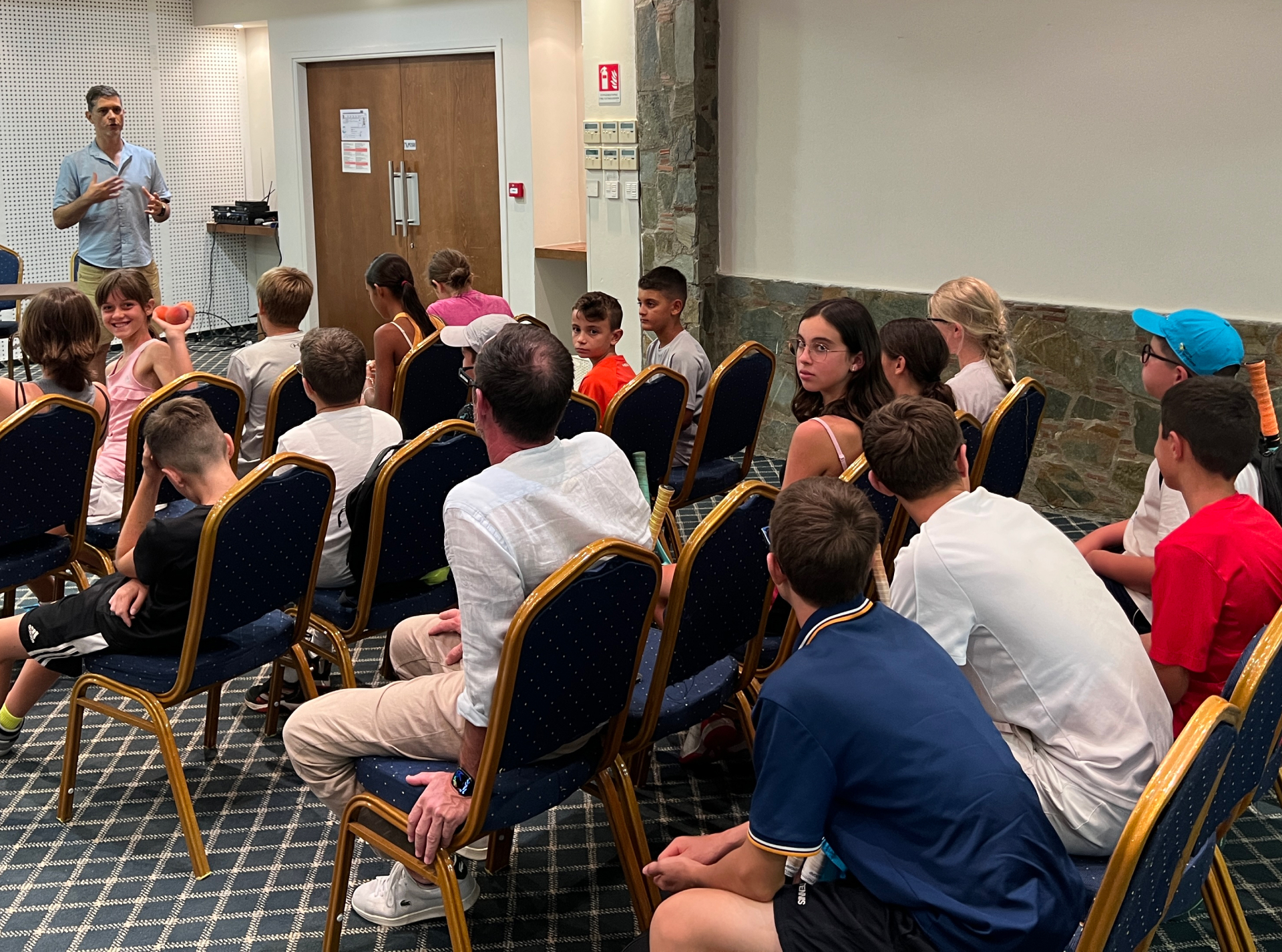
In today’s global tennis landscape, young players face more opportunities and more challenges than ever before. The path from junior tournaments to a sustainable professional career is no longer determined solely by talent and hard work. It requires strategic guidance, financial support, branding, mental preparation, performance analytics, and a long-term development framework.
This is where a modern tennis agency steps in. No longer just “player agents,” today’s agencies act as holistic career architects, supporting young players on and off the court. From East European academies to global management giants, the approach to junior development has evolved dramatically. This article explores how leading agencies help young tennis players build strong, resilient careers and how Tennis Aspire is redefining this model for the next generation of champions.
Why Young Players Need More Than a Coach
Tennis is a brutally demanding sport from a development perspective. While a footballer or basketball player may reach their professional peak at 23–27, tennis athletes begin their career-defining phase much earlier. Between ages 12 and 18, players must handle:
- International travel
- Expensive training environments
- Intense ranking pressure
- Sponsorship negotiations
- Media exposure
- Education responsibilities
- Physical and emotional strain
Families often underestimate how complex the pathway is. It’s not enough to accumulate points or win junior matches, players need the strategic infrastructure of a career plan, not just a tournament schedule. A tennis agency provides precisely that structure.
What a Modern Tennis Agency Actually Does
Today’s successful agencies offer 360-degree management, combining sports expertise with business insight. Their mission is to create sustainable athletic careers while preparing players for life beyond tennis.
1. On-Court Development
A professional agency coordinates directly with academies, coaches, fitness trainers, physiotherapists, and mental performance specialists. This includes:
- Designing long-term training cycles
- Periodisation plans for peak performance
- Surface-specific preparation
- Access to elite sparring partners
- Managing recovery and injury prevention
This ensures young players peak at the right times and avoid burnout, overplaying, or unnecessary travel costs.
2. Tournament Planning & Career Pathway
Junior development depends on smart scheduling. Poor planning leads to burnout; great planning produces champions. An agency helps players navigate:
- Tennis Europe pathway: U12–U16
- ITF Juniors (J30 to J500 & Junior Slams)
- UTR events & new invitational formats
- Transition to ITF 15K/25K, Challenger, and ATP/WTA
This ensures young players peak at the right times and avoid burnout, overplaying, or unnecessary travel costs.
3. Off-Court Development
Agencies prepare athletes to succeed as professionals, not just competitors.
- Academic planning & online school coordination
- Social media management
- Media coaching and interview skills
- Sports psychology & wellbeing
- Travel logistics & safety
- Time management & life skills
Modern tennis demands maturity; agencies help players develop it.
How Agencies Begin Working with Juniors (Ages 11–18)
Agencies typically begin evaluating talent early, sometimes when players are only 11 or 12. But contrary to popular belief, the focus is rarely just on results. Scouts analyze competitive attitude, emotional maturity, adaptability, athletic projection, discipline, and the family’s support environment. When a player shows potential, agencies often begin with light-touch mentorship: helping parents structure a tournament calendar, connecting players with equipment brands, providing training-camp access, or offering strategic guidance.
This early involvement is not about commercial contracts; it is about preventing talent from slipping through the cracks due to financial strain, poor planning, or avoidable mistakes. Many young players fail to progress not because they lack ability, but because they lack structure. A good agency ensures the right decisions are made at the right time.
What Leading Agencies Do for Junior Development
Across the tennis world, several leading agencies have set benchmarks for how talent is identified and developed.
- IMG for instance, operates its own ecosystem through IMG Academy, combining world-class coaching, academic education, analytics, and media training under one roof. Players at IMG benefit from a complete developmental environment that prepares them for life as a professional athlete, not just for on-court competition.
- Octagon follows a different model, focusing on full-service professional management. They help athletes build global brands, negotiate high-impact sponsorships, secure media exposure, and even connect players with events that Octagon itself helps host. Their strength lies in maximizing off-court value once a junior begins to break through.
- Tennium and StarWing offer boutique approaches, selecting a smaller number of high-potential athletes to support with financial resources, coaching-team structuring, and personal development. Their value lies in individualized attention — something large agencies often cannot provide.
- SeventyTwo Sports Group brings a modern, digitally driven perspective, emphasizing brand identity and content strategy from early in a player’s career. Meanwhile, agencies like EDGE focus on the mental and emotional wellbeing of the athlete, recognizing that juniors need psychological support and a healthy environment to thrive.
- Elite Tennis adds another dimension by helping athletes navigate the decision between turning pro and pursuing a US college pathway, a choice that can dramatically impact a young player’s life.
Each model has strengths, but they share one philosophy: early guidance changes everything.
Supporting the Person Behind the Athlete
One of the most underestimated aspects of player development is the off-court world. Today’s rising tennis stars are expected to function as students, athletes, ambassadors, content creators, and global travelers all at once. A strong agency protects the athlete’s humanity. It ensures school remains part of life, especially for teenagers. It offers mentorship on how to use social media safely and constructively. It encourages healthy routines of rest, nutrition, and time management. It teaches athletes to handle pressure, build self-awareness, and stay grounded through the highs and lows of competition.
Mental health plays a central role here. The emotional burden of junior tennis is heavy. Agencies that prioritize wellbeing, through psychologists, counselors, and a supportive daily structure, provide players with tools that often matter more than forehands or serves.
Financial and legal guidance also become crucial once prize money and sponsorships appear. Agencies help families navigate taxes, contracts, travel budgeting, NCAA or eligibility rules, and long-term financial planning. This prevents young athletes from falling into traps that may limit their career options later.
The Agency as a Protector, Not Just a Promoter
Tennis Aspire brings a modern, data-driven, and regionally specialized approach to player development, with a unique focus on Eastern Europe and the Balkans, regions known for producing tough, resilient, high-potential athletes. The agency’s model centers around its Talent Fund, an innovative investment structure designed to support promising juniors financially while giving brands and investors early access to rising stars. This provides stability for players who would otherwise struggle to afford international travel, coaching, or competitive opportunities.
Tennis Aspire’s ecosystem integrates training support, tournament strategy, branding and digital identity, analytics, and global exposure opportunities. The agency collaborates with academies, coaches, fitness experts, sports psychologists, and media specialists to ensure that each athlete has a fully coordinated development plan.
For brands and investors, Tennis Aspire offers a powerful partnership: early access to emerging talent, measurable marketing opportunities, and strategic alignment with a growth-oriented agency operating in one of the world’s most dynamic tennis regions.
Conclusion
The path from a promising junior to a successful professional tennis player is complex. It requires far more than athletic ability: it requires structure, planning, financial backing, emotional support, brand strategy, and a holistic ecosystem around the athlete. A tennis agency becomes the bridge that transforms potential into a sustainable, meaningful career.
As global competition intensifies, the role of the modern tennis agency will only grow in importance. For families, aspiring athletes, and brands wanting to engage with tennis at its most impactful stage, partnering with the right agency isn’t just beneficial, it’s essential.
Tennis Aspire stands ready to guide the next generation of champions, providing the strategic, transparent, and holistic support system that young players need to thrive on and off the court.
Tagged with: